How to Make Bougainvillea Bloom All Summer: The Complete Care Guide
How to Make Bougainvillea Bloom All Summer
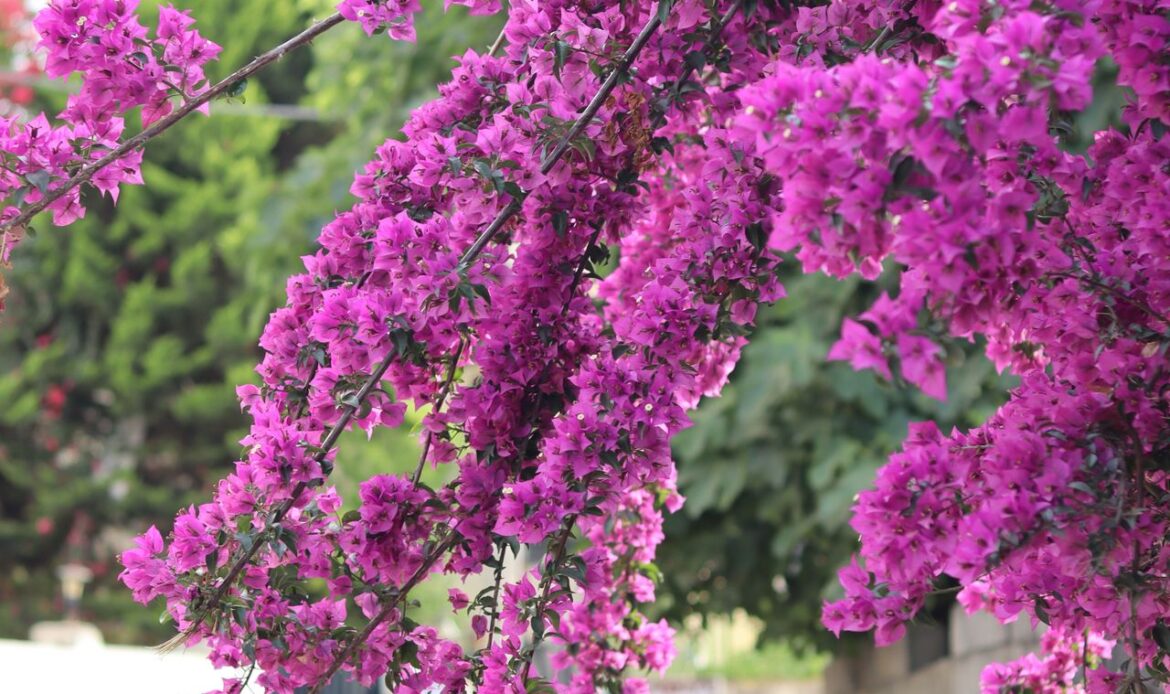
Few ornamental plants can match the spectacular display of Bougainvillea. With its vibrant pink, purple, red, orange, white, or magenta bracts, this climbing plant can transform walls, pergolas, fences, and balconies into breathtaking displays of color.
Although Bougainvillea is considered relatively easy to grow, many gardeners struggle with one common problem: a healthy plant that produces lots of leaves but very few flowers.
If you’ve ever wondered why your Bougainvillea isn’t blooming or how to encourage continuous flowering throughout the growing season, this guide covers everything you need to know.
Understanding Bougainvillea
Native to South America, Bougainvillea thrives in warm, sunny climates and has become one of the most popular ornamental plants in Mediterranean regions and subtropical gardens around the world.
One interesting fact is that the colorful parts most people call “flowers” are actually modified leaves called bracts. The true flowers are the small white blossoms located in the center of each cluster.
The more favorable the growing conditions, the more spectacular these colorful bracts become.
Give Your Bougainvillea Plenty of Sunlight
If there’s one secret to growing a healthy Bougainvillea, it’s sunlight.
Bougainvillea requires:
- At least 6 to 8 hours of direct sunlight every day
- A bright, open location
- Good air circulation
- Protection from prolonged frost
Without enough sunlight, the plant focuses its energy on producing foliage rather than flowers.
Best Locations
Bougainvillea performs exceptionally well when planted:
- Against south-facing walls
- On pergolas
- Along sunny fences
- In large containers placed on terraces or balconies
- In Mediterranean-style gardens
If your Bougainvillea receives only partial shade, moving it to a sunnier location can dramatically increase flowering.
Watering: Less Is Often More
One of the biggest mistakes gardeners make is overwatering.
Unlike many flowering plants, Bougainvillea actually performs better when the soil dries slightly between waterings.
During Spring and Summer
Water deeply only when the top few inches of soil feel dry.
Container-grown plants usually require more frequent watering than those planted directly in the ground, especially during hot weather.
During Autumn and Winter
Reduce watering significantly.
Excess moisture during dormancy can lead to root rot and weak growth when spring arrives.
Signs of Overwatering
Watch for:
- Yellow leaves
- Soft stems
- Poor flowering
- Root rot
- Premature leaf drop
Healthy Bougainvillea prefers slightly dry conditions rather than constantly wet soil.
Use Well-Draining Soil
Excellent drainage is essential.
Bougainvillea dislikes having “wet feet,” meaning roots sitting in water for long periods.
An ideal growing mix should include:
- High-quality potting soil
- Coarse sand
- Perlite
- Pumice or fine gravel
Heavy clay soils should always be amended before planting.
If you’re growing Bougainvillea in containers, make sure the pot has several drainage holes.
Fertilizing for Maximum Blooms
Proper fertilization plays a major role in flower production.
Many gardeners unknowingly choose fertilizers that contain too much nitrogen.
High nitrogen levels encourage lush green foliage—but reduce flowering.
Instead, choose fertilizers higher in:
- Potassium (K)
- Phosphorus (P)
These nutrients stimulate flower development and strengthen the plant.
Fertilizing Schedule
During the growing season:
- Apply liquid fertilizer every two weeks
or
- Use a slow-release flowering fertilizer every 8 to 12 weeks.
Avoid fertilizing during winter dormancy.
When and How to Prune Bougainvillea
Pruning encourages vigorous new growth, and new growth is where Bougainvillea produces most of its flowers.
Best Time to Prune
The ideal period is:
- Late winter
- Early spring
- Just before active growth begins
During Pruning
Remove:
- Dead branches
- Weak stems
- Crossing branches
- Damaged growth
Lightly trimming after each flowering cycle also encourages additional blooms throughout summer.
Always use clean, sharp pruning shears.
Why Isn’t My Bougainvillea Blooming?
Several common factors may prevent flowering.
1. Not Enough Sunlight
This is by far the most common reason.
Without full sun, flowering decreases dramatically.
2. Too Much Water
Constantly wet soil encourages vegetative growth instead of flower production.
3. Excess Nitrogen
Too much nitrogen creates beautiful green plants—but very few colorful bracts.
4. Improper Pruning
Pruning at the wrong time may remove developing flower buds.
5. Pot Too Large
Interestingly, Bougainvillea blooms better when its roots are slightly restricted.
A pot that is excessively large often encourages root and foliage growth instead of flowers.
Growing Bougainvillea in Containers
Bougainvillea adapts extremely well to container gardening.
To achieve the best results:
- Choose a sturdy container
- Ensure excellent drainage
- Place it in full sun
- Water only when necessary
- Fertilize regularly during the growing season
Container-grown Bougainvillea is perfect for patios, balconies, and terraces, especially in regions where winter frost requires moving the plant indoors.
Common Pests and Problems
Although relatively resilient, Bougainvillea may occasionally experience pest problems.
Common issues include:
- Aphids
- Spider mites
- Scale insects
- Mealybugs
Regular inspection helps detect infestations early.
Fortunately, healthy Bougainvillea rarely suffers serious pest damage when grown under proper conditions.
Winter Care Tips
Bougainvillea is not fully frost-hardy.
If temperatures regularly fall below 5°C (41°F), additional protection is recommended.
Container plants can be moved:
- Into a greenhouse
- Onto a sheltered porch
- Inside a bright conservatory
Reduce watering during winter while maintaining plenty of natural light.
Popular Bougainvillea Varieties
There are numerous beautiful Bougainvillea varieties available.
Some of the most appreciated include:
- Bougainvillea Californiana, known for its vigorous growth and abundant flowering.
- Bougainvillea Glabra, appreciated for its elegant habit and long blooming season.
- Bougainvillea Spectoglabra, valued for its large colorful bracts and impressive ornamental appeal.
Each variety offers unique characteristics while sharing similar care requirements.
Common Mistakes to Avoid
To keep your Bougainvillea blooming continuously, avoid these common mistakes:
❌ Planting in too much shade
❌ Watering too frequently
❌ Using nitrogen-rich fertilizers
❌ Choosing poorly drained soil
❌ Pruning during active flowering
❌ Allowing water to accumulate around the roots
Avoiding these simple errors can dramatically improve flowering performance.
Final Thoughts
Bougainvillea rewards gardeners with one of the longest and most spectacular flowering displays of any ornamental climber. With plenty of sunshine, well-drained soil, moderate watering, and proper fertilization, it can bloom continuously from late spring until autumn.
Whether you’re decorating a sunny balcony, covering a pergola, or creating a colorful Mediterranean-style garden, Bougainvillea is an outstanding choice that offers beauty with relatively little maintenance.
By following the care tips in this guide, you’ll enjoy healthier plants, stronger growth, and vibrant blooms all summer long.
Frequently Asked Questions (FAQ)
How often should I water Bougainvillea?
Water only when the top layer of soil has dried out. Bougainvillea is drought-tolerant and prefers slightly dry conditions over consistently wet soil.
Why does my Bougainvillea have lots of leaves but no flowers?
The most common causes are insufficient sunlight, excessive watering, or too much nitrogen fertilizer.
Can Bougainvillea grow in pots?
Yes. Bougainvillea grows exceptionally well in containers, provided they have excellent drainage and receive full sunlight.
When is the best time to prune Bougainvillea?
Late winter or early spring, before new growth begins, is the ideal time for major pruning.
Does Bougainvillea need full sun?
Absolutely. At least six to eight hours of direct sunlight per day are essential for abundant flowering.