Dipladenia vs Mandevilla: What’s the Difference?
If you’ve ever visited a garden center looking for a beautiful flowering vine, you’ve probably come across Dipladenia and Mandevilla. Their names are often used interchangeably, leading many gardeners to believe they are two completely different plants.
So, are Dipladenia and Mandevilla the same plant?
The answer is yes—and no.
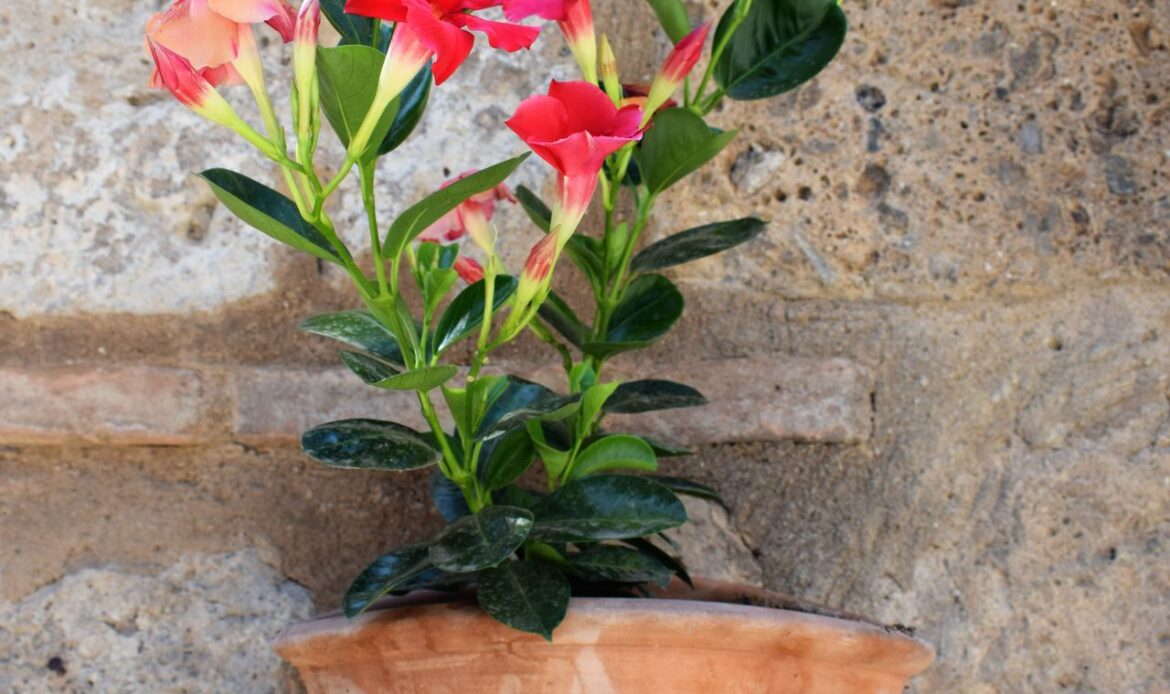
While both belong to the Mandevilla genus in the Apocynaceae family, the plants sold as Dipladenia usually have a more compact growth habit, whereas traditional Mandevilla varieties are vigorous climbing vines.
Understanding these differences will help you choose the perfect plant for your garden, balcony, or patio and provide the right care for long-lasting blooms.
Are Dipladenia and Mandevilla the Same Plant?
Botanically speaking, the name Dipladenia has largely disappeared from modern classification. Most species previously classified as Dipladenia are now included in the Mandevilla genus.
However, the horticultural industry continues to use both names because they describe two different growth habits:
- Dipladenia generally refers to compact, bushy plants.
- Mandevilla usually refers to vigorous climbing varieties.
Although their care requirements are nearly identical, their appearance and landscape uses differ considerably.
Key Differences Between Dipladenia and Mandevilla
Growth Habit
The easiest way to distinguish them is by their growth.
Dipladenia
- Compact and bushy
- Naturally rounded shape
- Shorter stems
- Ideal for pots and containers
- Excellent for balconies and small patios
Mandevilla
- Vigorous climbing vine
- Long flexible stems
- Requires a trellis, pergola, or support
- Perfect for fences and vertical gardens
- Can quickly cover large spaces
If you’re looking for a climbing plant, Mandevilla is usually the better choice.
If you prefer a neat flowering shrub for containers, Dipladenia is ideal.
Leaf Differences
The foliage also provides useful clues.
Dipladenia typically has:
- Smaller leaves
- Thick, glossy texture
- Dense branching
Mandevilla often features:
- Larger leaves
- Longer internodes
- Faster vertical growth
Both plants produce attractive evergreen foliage in warm climates.
Flower Characteristics
One reason gardeners love both plants is their impressive flowers.
Bloom colors include:
- White
- Pink
- Red
- Crimson
- Yellow (certain hybrids)
- Soft peach
Flowers remain attractive for weeks and are continuously replaced throughout the growing season.
With proper care, flowering can continue from late spring until the first frost.
Which Plant Is Easier to Grow?
Both are considered beginner-friendly.
However, Dipladenia generally requires less maintenance because of its naturally compact shape.
Mandevilla needs occasional training and tying to supports as it grows.
Neither plant demands extensive pruning, making them excellent choices for gardeners of all experience levels.
Light Requirements
Sunlight is essential for continuous flowering.
The ideal location provides:
- 6–8 hours of sunlight daily
- Morning sun
- Light afternoon shade in extremely hot climates
- Good air circulation
Plants grown in excessive shade produce lush foliage but significantly fewer flowers.
Watering Guide
One of the most common mistakes is overwatering.
Both plants prefer slightly moist—but never waterlogged—soil.
Spring and Summer
Water when the top inch of soil feels dry.
Container-grown plants may require watering several times a week during periods of intense heat.
Autumn and Winter
Reduce watering considerably as growth slows.
Always empty saucers beneath pots to prevent standing water around the roots.
Choosing the Right Soil
Excellent drainage is critical.
A quality growing mix should include:
- Premium potting soil
- Perlite
- Sand
- Pine bark or fine gravel
Heavy soils retain too much moisture and increase the risk of root rot.
Raised beds and containers usually provide the best drainage.
Fertilizing for Continuous Blooms
These plants are heavy bloomers and benefit from regular feeding.
Choose a fertilizer formulated for flowering plants that contains:
- Higher phosphorus
- Higher potassium
- Moderate nitrogen
Apply liquid fertilizer every two weeks during the active growing season.
Slow-release fertilizers can also provide excellent results.
Temperature and Climate
Dipladenia and Mandevilla thrive in warm climates.
Ideal growing temperatures range between:
18°C and 30°C (65°F–86°F).
Growth slows significantly when temperatures fall below 10°C (50°F).
They are not frost-tolerant.
In colder regions, container-grown plants should be moved indoors before the first frost.
Winter Care
In areas with cold winters, both plants can be successfully overwintered.
Move containers to:
- A bright greenhouse
- A sunroom
- A sheltered porch
- A well-lit indoor location
During winter:
- Water sparingly
- Stop fertilizing
- Keep temperatures above 8°C (46°F)
The plants may lose some leaves but typically recover quickly in spring.
Pruning Tips
Pruning encourages healthy growth and abundant flowering.
The best time is:
- Late winter
- Early spring
Remove:
- Dead stems
- Weak branches
- Damaged growth
- Overcrowded shoots
Light trimming throughout summer can also promote a fuller appearance and additional flower production.
Common Problems
Although relatively resistant, these plants may occasionally encounter issues.
Yellow Leaves
Usually caused by:
- Overwatering
- Poor drainage
- Cold temperatures
No Flowers
Possible causes include:
- Insufficient sunlight
- Excess nitrogen fertilizer
- Lack of nutrients
- Immature plants
Drooping Leaves
Often indicate:
- Water stress
- Root problems
- Sudden temperature changes
Common Pests
The most frequent pests include:
- Aphids
- Spider mites
- Mealybugs
- Scale insects
- Whiteflies
Regular inspection allows early treatment before infestations become severe.
Healthy plants grown under proper conditions rarely experience significant pest problems.
Landscape Uses
Both plants are extremely versatile.
Dipladenia is perfect for:
- Decorative containers
- Hanging baskets
- Small patios
- Apartment balconies
- Entryways
Mandevilla works beautifully for:
- Pergolas
- Garden arches
- Trellises
- Privacy screens
- Fences
- Vertical gardens
Both add a tropical touch to outdoor living spaces.
Which One Should You Choose?
The answer depends on your available space.
Choose Dipladenia if you want:
- A compact plant
- Easy maintenance
- Beautiful container displays
- Smaller growing spaces
Choose Mandevilla if you want:
- A vigorous climbing vine
- Dramatic vertical coverage
- Large pergolas or walls covered in flowers
- Fast-growing tropical beauty
Fortunately, both reward gardeners with months of colorful blooms when given proper care.
Final Thoughts
Whether labeled Dipladenia or Mandevilla, these stunning flowering plants offer exceptional beauty with surprisingly little maintenance.
Provide plenty of sunlight, well-drained soil, moderate watering, and regular fertilization, and you’ll enjoy spectacular blooms from spring through autumn.
Understanding their differences simply helps you choose the variety that best suits your garden design and available space.
With the right conditions, either plant can become one of the highlights of your outdoor landscape.
Frequently Asked Questions (FAQ)
Is Dipladenia the same as Mandevilla?
Botanically, yes. Most plants previously classified as Dipladenia are now included in the Mandevilla genus. In horticulture, however, Dipladenia usually refers to compact varieties, while Mandevilla describes climbing forms.
Which blooms more, Dipladenia or Mandevilla?
Both can flower continuously from late spring until autumn when grown in full sun and fertilized regularly.
Can Dipladenia climb?
Not as vigorously as Mandevilla. Dipladenia has a naturally bushy habit, although its stems can trail slightly as they mature.
Does Mandevilla need a trellis?
Yes. Most Mandevilla varieties are climbing vines and perform best when supported by a trellis, pergola, or other structure.
Can these plants survive winter?
Only in frost-free climates. In colder regions, they should be grown in containers and moved indoors before freezing temperatures arrive.