
Thunbergia Alata
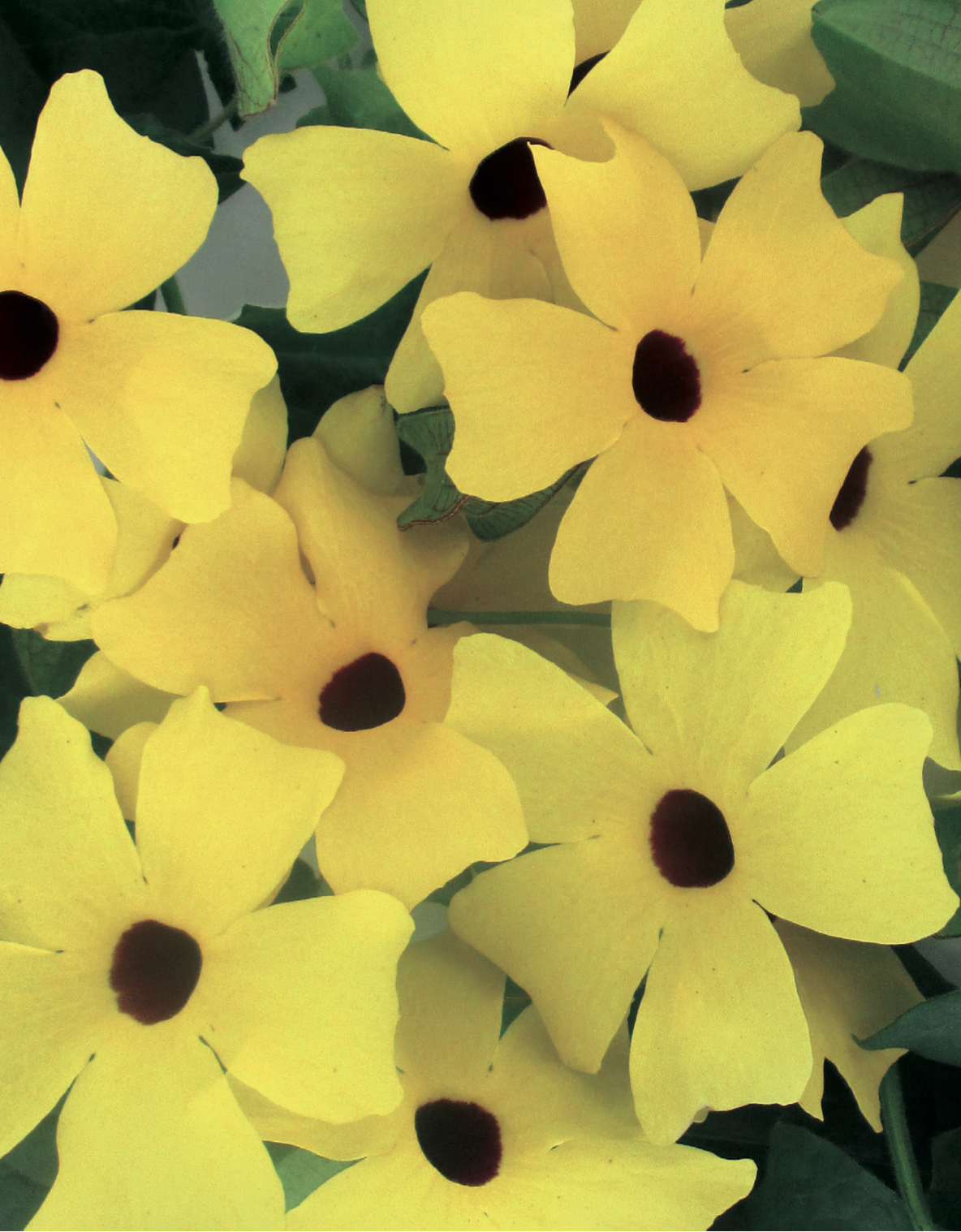
Thunbergia alata: the fast-growing climber with endless, vibrant blooms
Thunbergia alata, commonly known as the Black-eyed Susan Vine, is a beautiful climbing plant native to tropical southeastern Africa. It is highly valued for its exceptionally fast growth and its remarkable ability to flower continuously from spring through late autumn.
In its native habitat, it is an evergreen perennial. In temperate climates, however, it is usually grown as an annual or as a perennial if protected during the winter months.
Thanks to its slender, twining stems, Thunbergia alata quickly climbs trellises, pergolas, fences, netting, and balcony supports, covering them in a dense canopy of lush green foliage and a spectacular display of colorful flowers.
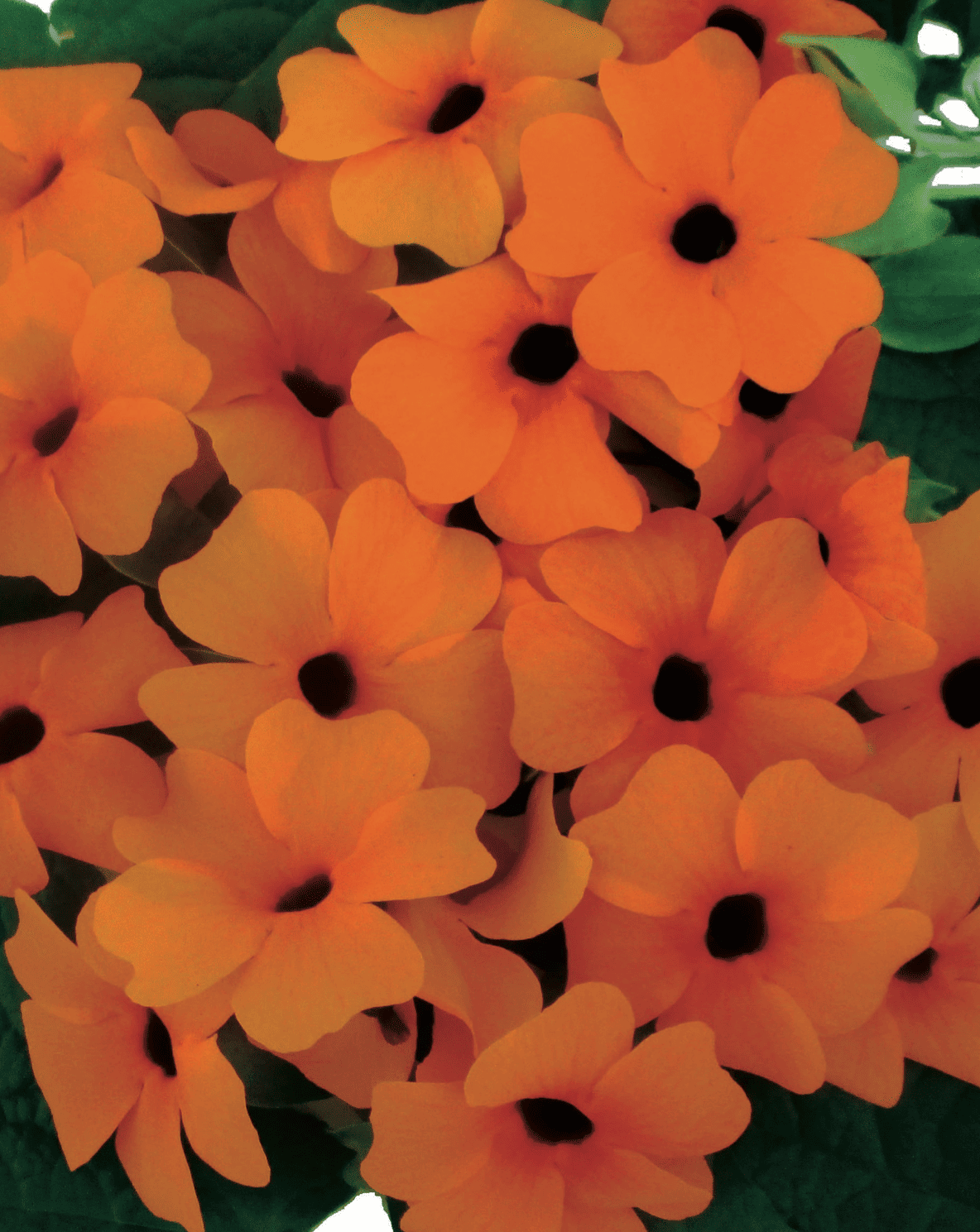
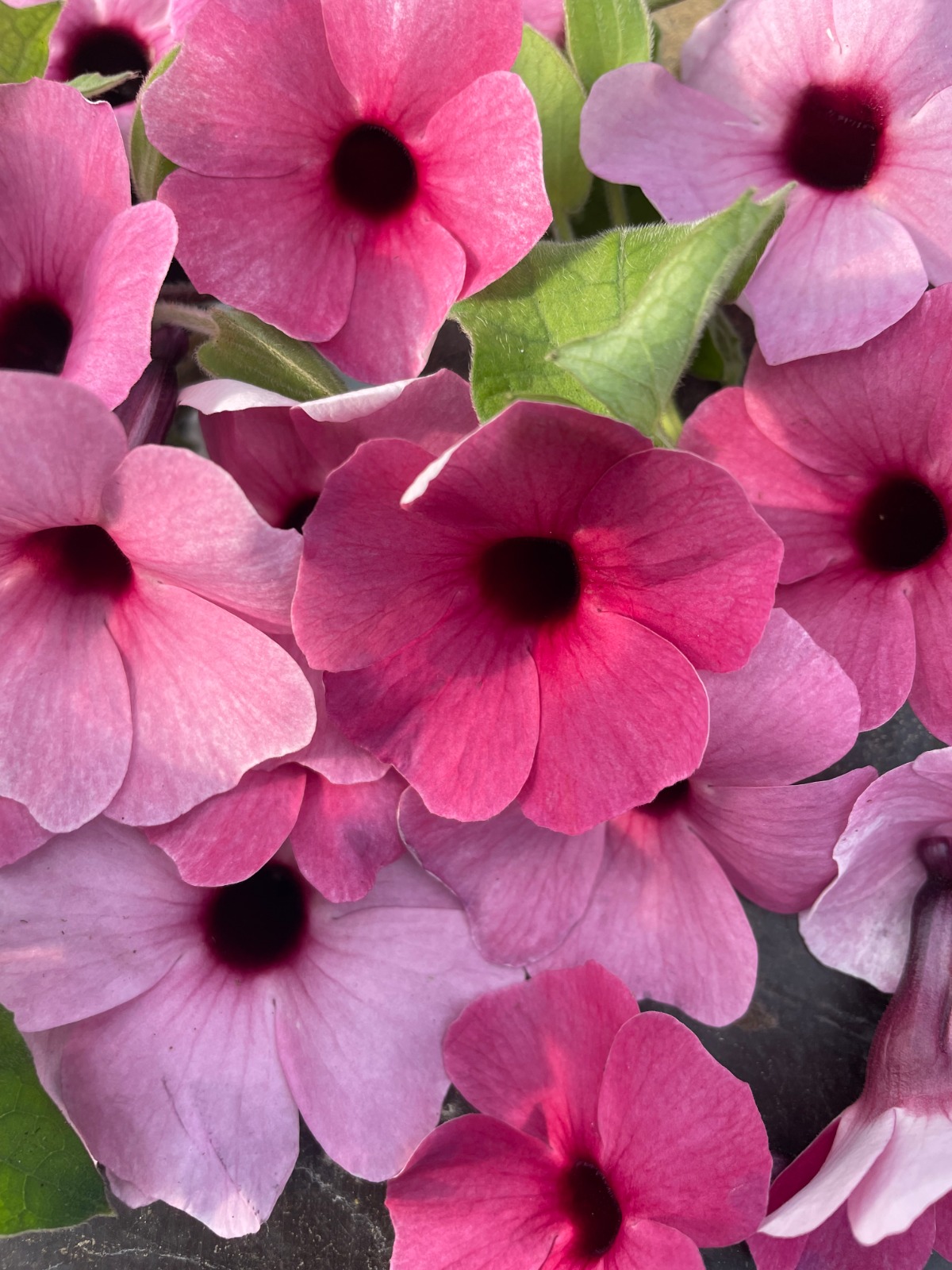
Its distinctive blooms are simple yet eye-catching, appearing continuously throughout the growing season. Flower colors range from the classic golden yellow to orange and brick red. In many varieties, the dark center of each flower creates an elegant contrast that enhances its ornamental appeal.
Easy to grow and highly decorative, Thunbergia alata is an excellent choice for adding color and vitality to balconies, patios, terraces, and gardens. As it is sensitive to frost, it is best grown in containers in colder regions so it can be easily moved to a sheltered location during winter.
Technical Specifications
| Feature | Description |
|---|---|
| Botanical name | Thunbergia alata |
| Common name | Black-eyed Susan Vine |
| Family | Acanthaceae |
| Plant type | Ornamental climbing vine |
| Origin | Tropical southeastern Africa |
| Exposure | Full sun or bright partial shade |
| Flowering period | Spring to late autumn |
| Flower colours | Yellow, orange, brick red, and other shades |
| Foliage | Deep green |
| Preferred soil | Fertile, loose, and well-drained |
| Watering | Regular, avoiding waterlogging |
| Cold hardiness | Low |
| Container growing | Excellent |
| Growth rate | Very fast |
How to Grow Thunbergia alata
☀️ Light Exposure
Thunbergia alata thrives in bright, sunny locations.
For abundant flowering, provide at least 6 hours of direct sunlight per day. In particularly hot climates, some light afternoon shade can help protect the plant during the hottest part of the day.
💧 Watering
During the growing season, water regularly to keep the plant healthy and productive.
Helpful tips:
- Keep the soil slightly moist.
- Avoid waterlogged conditions.
- Reduce watering during the colder months.
🌱 Fertilizing
To encourage continuous and abundant flowering:
- Feed every 10–15 days from March to September.
- Use a fertilizer formulated for flowering plants, preferably one high in potassium.
✂️ Pruning
Remove faded flowers regularly throughout the growing season to encourage the production of new blooms.
At the end of winter, longer stems can be lightly pruned to maintain a tidy shape and promote vigorous new growth.
🧊 Winter Protection
Thunbergia alata is not frost-hardy.
If you wish to keep it as a perennial:
- Grow it in a container whenever possible.
- Move it to a bright, sheltered location when temperatures fall below 5–8°C (41–46°F).
- Reduce watering during its winter dormancy.
Why Choose Thunbergia alata?
🌼 Continuous flowering from spring through autumn
🚀 Exceptionally fast-growing climber
🌿 Dense, lush ornamental foliage
🏡 Perfect for pergolas, trellises, fences, balconies, and garden screens
🪴 Excellent for container growing
☀️ Easy to grow and incredibly generous with its blooms
Botanical Curiosity
Thunbergia alata is widely known around the world as the Black-eyed Susan Vine, a name inspired by the distinctive dark center of its flowers, which creates a striking contrast with the brightly colored petals. Thanks to its vigorous growth and long flowering season, it is one of the most popular annual climbing plants for quickly covering pergolas, trellises, and fences with vibrant color. Its nectar-rich flowers are also highly attractive to bees, butterflies, and other pollinators, helping to support biodiversity in gardens and outdoor spaces.