Bougainvillea Glabra
Bougainvillea Glabra: the Climbing Plant with Vibrant Pink-Violet Colors
Bougainvillea glabra is a stunning climbing plant native to Brazil that, thanks to its remarkable adaptability, has become one of the most iconic species found in Mediterranean gardens and landscapes.
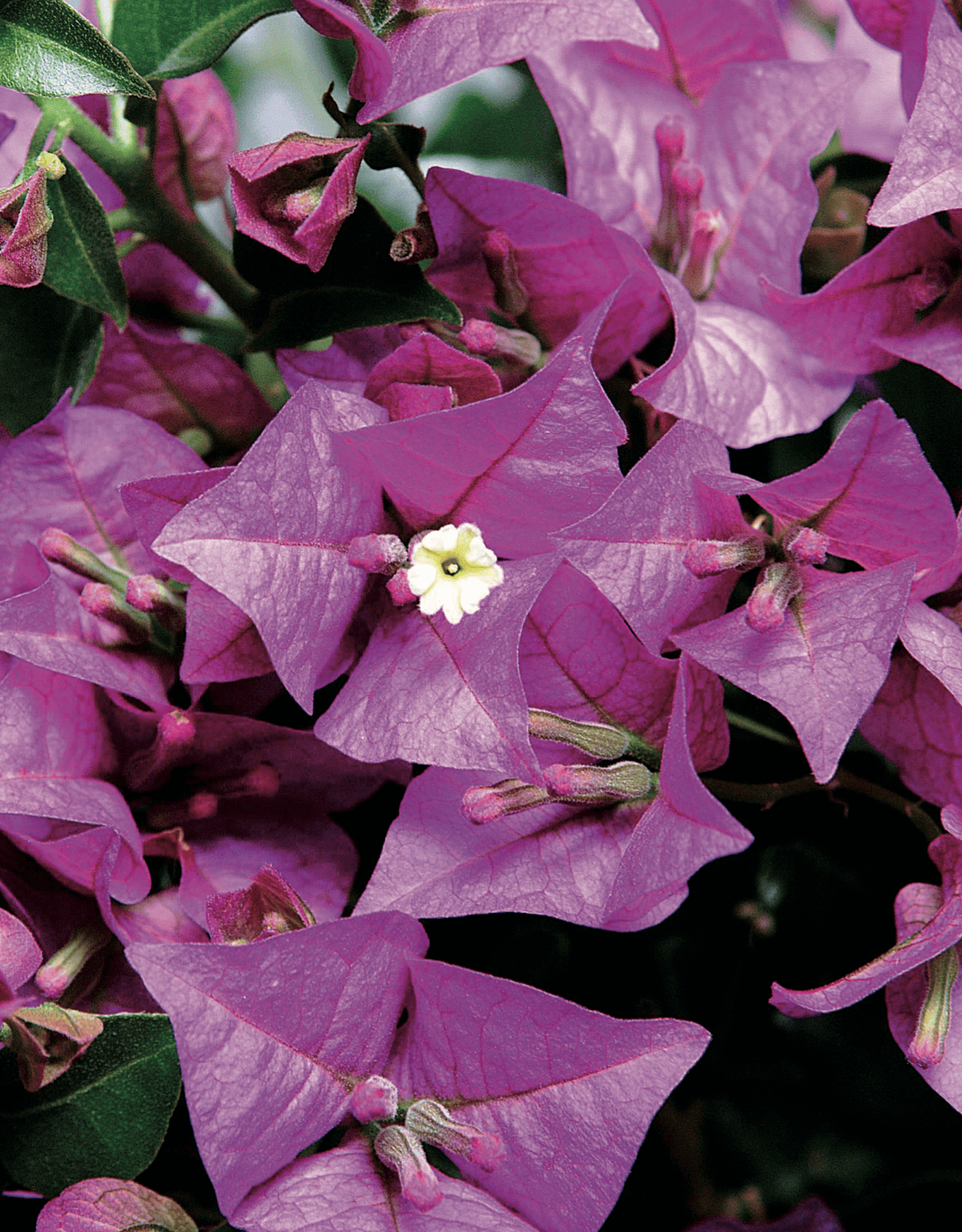
Renowned for its vigorous growth and spectacular summer display, this variety produces small cream-colored flowers surrounded by numerous vibrant pink-violet bracts, creating breathtaking splashes of color on pergolas, fences, walls, and terraces.
Bougainvillea glabra thrives in full sun and requires several hours of direct sunlight each day to reach its full ornamental potential. The more sunlight it receives, the more abundant and vibrant its flowering will be.
In regions with cold winters, it can be successfully grown in containers, adding an elegant Mediterranean touch to balconies, patios, and outdoor living spaces. As temperatures begin to drop, it is recommended to move the plant to a bright, sheltered location to protect it from frost.
Drought tolerant, easy to grow, and highly ornamental, Bougainvillea glabra is the perfect choice for anyone looking for a long-lived, spectacular climbing plant capable of transforming any outdoor space into a colorful Mediterranean retreat.
Bougainvillea glabra Care Guide
| Feature | Details |
|---|---|
| Botanical Name | Bougainvillea glabra |
| Family | Nyctaginaceae |
| Plant Type | Ornamental climbing plant |
| Origin | Brazil |
| Light Exposure | Full sun |
| Blooming Season | Late spring through autumn |
| Bract Color | Pink-violet |
| Flower Color | Cream |
| Soil | Fertile, well-drained soil |
| Watering | Moderate |
| Drought Tolerance | Good |
| Container Growing | Excellent |
| Cold Hardiness | Limited |
How to Grow Bougainvillea glabra
☀️ Light Exposure
Bougainvillea glabra requires a bright, sunny location.
For abundant and long-lasting flowering, provide at least 6–8 hours of direct sunlight every day.
💧 Watering
Water regularly throughout spring and summer, allowing the soil to dry slightly between waterings.
Always avoid waterlogged conditions, as excess moisture can damage the roots.
Reduce watering significantly during winter.
🌱 Fertilizing
From March through September, apply a potassium-rich fertilizer for flowering plants every 15–20 days to encourage vigorous growth and continuous blooming.
✂️ Pruning
Light pruning at the end of winter encourages the development of new shoots and promotes a more abundant flowering season.
🧊 Winter Protection
Bougainvillea glabra is not frost-hardy.
- Container-grown plants should be moved to a bright, sheltered location when temperatures fall below 5°C (41°F).
- Plants grown in the ground should be protected with mulch around the base in colder regions.
Why Choose Bougainvillea glabra?
🌸 Abundant and long-lasting flowering
💗 Intense pink-violet bracts with exceptional ornamental value
🏡 Ideal for pergolas, walls, fences, and trellises
🪴 Perfect for patios, terraces, and balconies in containers
☀️ Drought tolerant once well established
🌿 Brings authentic Mediterranean charm to any outdoor space
🌺 Botanical Curiosity
The name “glabra” comes from the Latin word meaning “smooth” or “hairless,” referring to the glossy, smooth leaves that distinguish this species from other Bougainvillea varieties. Thanks to its exceptional adaptability and remarkably long flowering season, Bougainvillea glabra has become one of the most popular ornamental climbers in Mediterranean and coastal gardens around the world.